Natural Approaches to Men's Daily Energy and Vitality
Explore educational insights about nutrition, natural ingredients, and lifestyle habits that support everyday wellness for men.
Educational content only. No promises of outcomes.
Learn more
Explore educational insights about nutrition, natural ingredients, and lifestyle habits that support everyday wellness for men.
Educational content only. No promises of outcomes.
Learn more
Daily energy levels are influenced by numerous factors including nutrition, sleep quality, physical activity, and stress management. For men, maintaining consistent energy throughout the day involves understanding how the body processes nutrients and responds to various lifestyle choices.
This resource explores educational information about natural approaches that may contribute to supporting everyday vitality. We focus on evidence-based nutritional science and lifestyle factors rather than quick fixes or unsubstantiated claims.
Energy metabolism is a complex biological process involving vitamins, minerals, proteins, carbohydrates, and fats. Understanding these fundamental concepts can help individuals make informed decisions about their daily routines and nutritional choices.
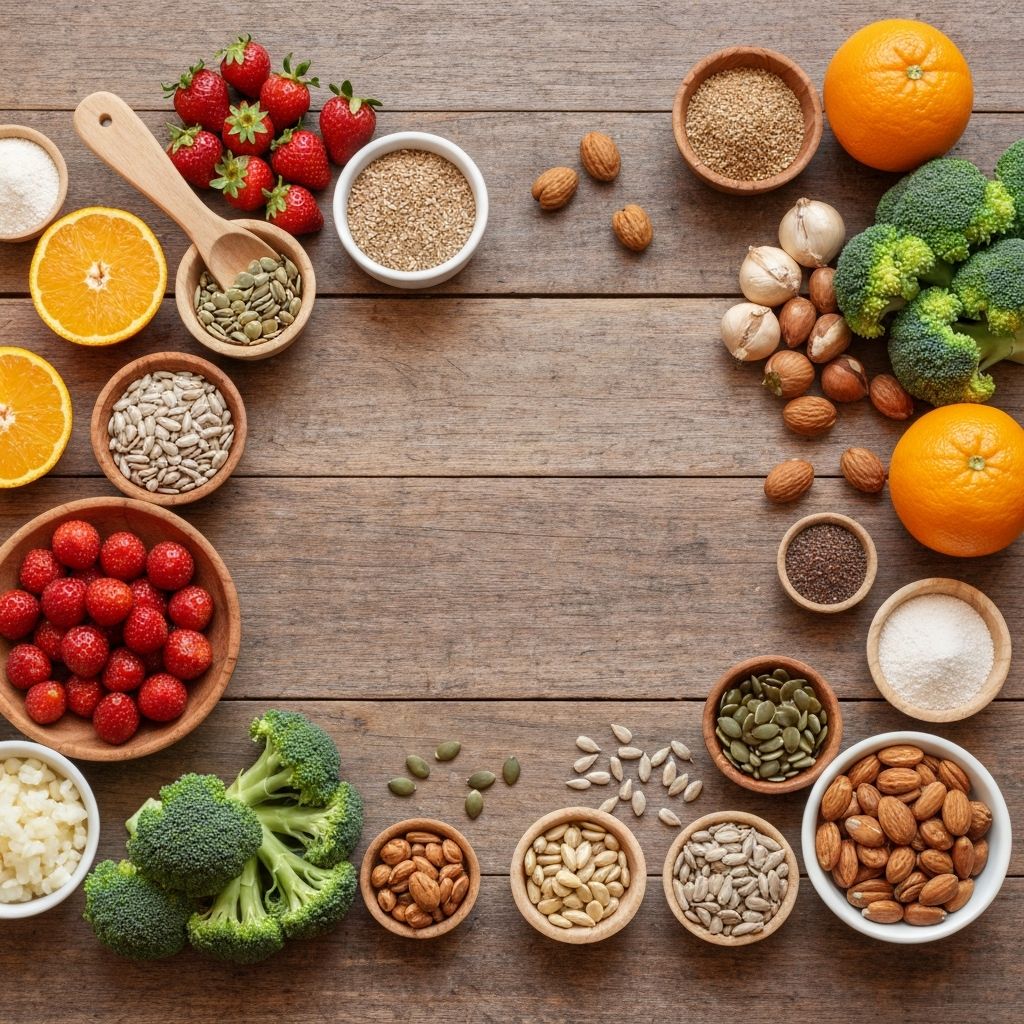
Natural ingredients found in everyday foods play essential roles in supporting bodily functions. Fruits, vegetables, nuts, seeds, and whole grains contain various compounds that contribute to overall nutritional intake.
Common natural ingredients studied for their nutritional properties include leafy greens rich in folate, citrus fruits containing vitamin C, nuts providing healthy fats and minerals, and whole grains offering B vitamins and fiber.
Understanding the nutritional composition of natural foods helps individuals make diverse dietary choices. Different colored vegetables and fruits typically contain different phytonutrients and vitamins, supporting the recommendation for varied daily intake.
Vitamins and minerals are essential micronutrients that support numerous biological processes. B vitamins, for instance, are involved in energy metabolism, helping convert food into usable energy at the cellular level.
Minerals like zinc and magnesium play roles in protein synthesis and muscle function. Vitamin D supports bone health and immune function, while vitamin C acts as an antioxidant and supports collagen production.
Adequate intake of these micronutrients typically comes from a balanced diet including various food groups. Some individuals may have different nutritional needs based on age, activity level, and individual circumstances.
Daily energy and vitality are influenced by lifestyle factors beyond nutrition. Regular physical activity contributes to cardiovascular health, muscle maintenance, and metabolic function. Exercise patterns can vary widely based on individual preferences and circumstances.
Sleep quality significantly impacts daily energy levels. Most adults require between seven to nine hours of sleep per night for optimal functioning. Sleep hygiene practices include maintaining consistent sleep schedules and creating conducive sleep environments.
Stress management techniques such as mindfulness, time management, and recreational activities can influence overall well-being. Chronic stress may affect energy levels through various physiological pathways including hormone regulation.
Hydration is another fundamental factor. Water supports numerous bodily functions including temperature regulation, nutrient transport, and cellular processes. Daily fluid needs vary based on climate, activity level, and individual factors.

Seasonal eating involves consuming foods that are naturally available during specific times of the year. This approach often provides access to fresher produce and can contribute to dietary variety throughout the year.
Spring and summer typically offer abundant berries, stone fruits, and leafy greens. Autumn brings root vegetables, squashes, and late-season fruits. Winter months provide citrus fruits, cruciferous vegetables, and stored root crops.
Seasonal variations in food availability can naturally encourage dietary diversity. Different seasons provide opportunities to incorporate various nutrients and flavors into daily eating patterns.

Physical activity and nutrition work together to support overall wellness. Exercise increases energy expenditure and can influence appetite, nutrient needs, and metabolic function.
Different types of physical activity may have varying nutritional considerations. Endurance activities might emphasize carbohydrate availability, while resistance training often focuses on adequate protein intake for muscle maintenance and adaptation.
Timing of nutrient intake relative to physical activity is an area of nutritional science. Some evidence suggests that consuming certain nutrients around exercise periods may influence recovery processes, though individual responses can vary.
Regular movement patterns, whether structured exercise or daily activities, contribute to energy balance and metabolic health. The relationship between activity and nutrition is complex and individualized.
Nutritional science continues to evolve as research methods improve and new studies emerge. Current understanding of vitamins, minerals, and natural compounds is based on various types of research including observational studies, controlled trials, and mechanistic investigations.
Research into men's nutritional needs examines factors such as age-related changes, activity levels, and specific physiological processes. Studies investigate how different nutrients may support various aspects of health throughout different life stages.
It is important to note that nutritional research often shows associations rather than direct causation. Individual responses to dietary patterns and specific nutrients can vary based on genetics, lifestyle, and other factors.
Scientific consensus evolves over time as new evidence emerges. Recommendations regarding nutrition and lifestyle are typically based on the totality of available evidence rather than single studies.

Incorporating nutritious foods into daily routines can be approached in various practical ways. Meal planning and preparation can help ensure access to diverse foods throughout the week.
Starting the day with a balanced breakfast that includes protein, complex carbohydrates, and fruits or vegetables may help stabilize energy levels in the morning hours. Mid-day meals benefit from similar balance and variety.
Healthy snacking options include nuts, fruits, vegetables with hummus, or yogurt. These choices provide nutrients between main meals and can contribute to overall daily intake goals.
Reading nutrition labels helps individuals understand the content of packaged foods. Focusing on whole, minimally processed foods generally provides more nutritional density per calorie consumed.

Understanding nutrition and wellness is an ongoing educational process. Reliable sources of information include peer-reviewed scientific journals, registered dietitian nutritionists, and evidence-based health organizations.
This website serves as an educational starting point for exploring natural approaches to daily energy and vitality. We encourage visitors to continue learning from diverse, credible sources and to consider individual circumstances when making lifestyle decisions.
Many factors influence daily energy levels and overall wellness. Nutrition is one important component alongside sleep, physical activity, stress management, and social connections.
Read furtherThe information provided on this website is for educational purposes only. It is not intended as medical advice, diagnosis, or treatment recommendations.
Individual nutritional needs vary based on age, health status, activity level, and other personal factors. What works for one person may not be appropriate for another.
This resource presents general information about nutrition and lifestyle approaches. It does not replace personalized guidance from qualified healthcare professionals.
We do not make claims about specific outcomes or results. The content describes nutritional concepts and general wellness principles based on current scientific understanding.