Popular Natural Products for Men
This page provides educational information about commonly available natural supplements that many men consider as part of their daily wellness routine. The information presented is for educational purposes only and does not constitute recommendations or medical advice.
Important Note: We do not sell products directly. The information below describes popular supplement categories to help visitors understand what is commonly available in the wellness market.
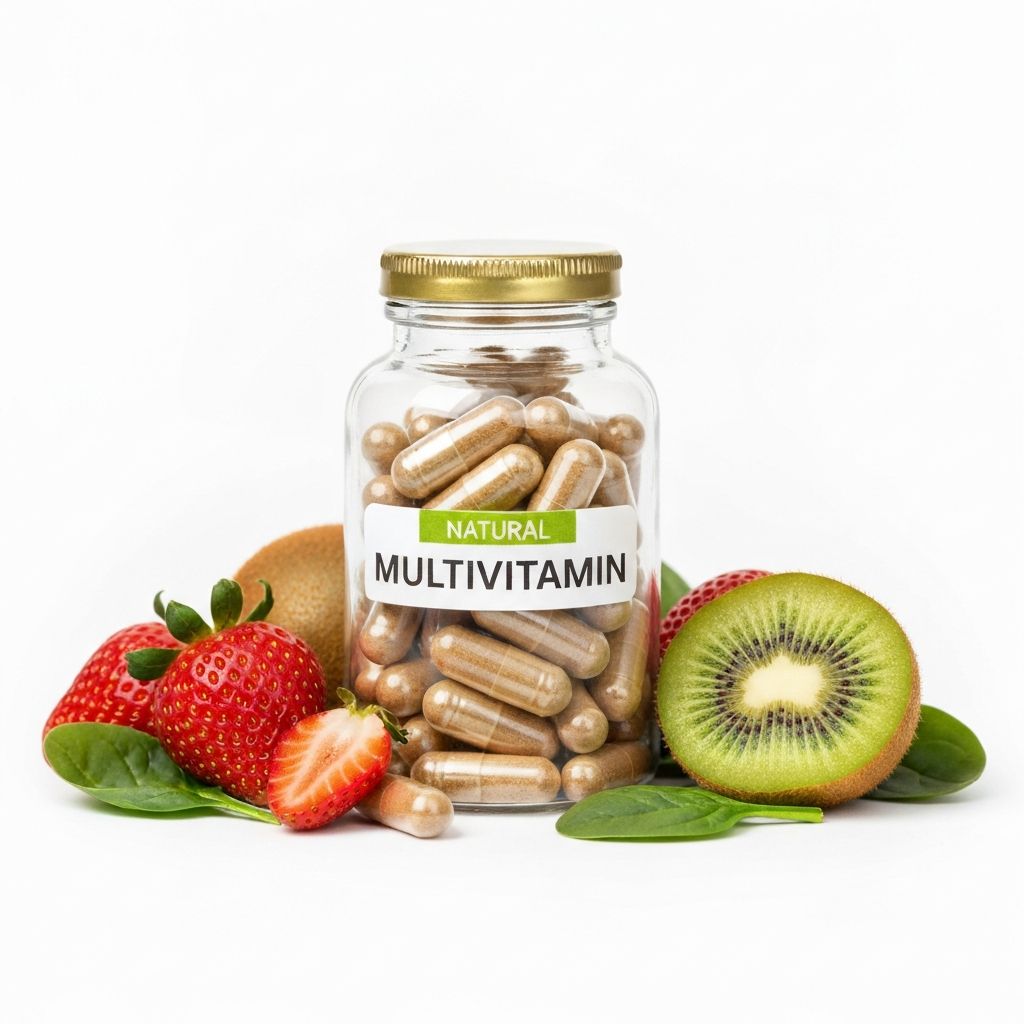
Daily Multivitamin
Comprehensive multivitamin formulations typically contain a range of essential vitamins and minerals. These products aim to support general nutritional intake and may include vitamins A, C, D, E, K, and various B vitamins along with minerals like zinc, selenium, and magnesium.
Multivitamins are among the most commonly used dietary supplements. They are designed to complement dietary intake rather than replace whole foods.
Learn more
Vitamin D3
Vitamin D is a fat-soluble vitamin that plays roles in bone health, immune function, and calcium absorption. Vitamin D3 is one form of this vitamin that can be synthesized by skin exposed to sunlight or obtained through dietary sources and supplements.
Many individuals, particularly in northern climates or those with limited sun exposure, may have varying levels of vitamin D. Supplementation is a common approach to supporting adequate intake.
Learn more
Omega-3 Fatty Acids
Omega-3 fatty acids, including EPA and DHA, are essential fats found in fish oil and certain plant sources. These compounds are components of cell membranes and are involved in various physiological processes.
Omega-3 supplements are popular among individuals who do not regularly consume fatty fish. The supplements are available in various forms including fish oil, krill oil, and algae-based options for vegetarians.
Learn more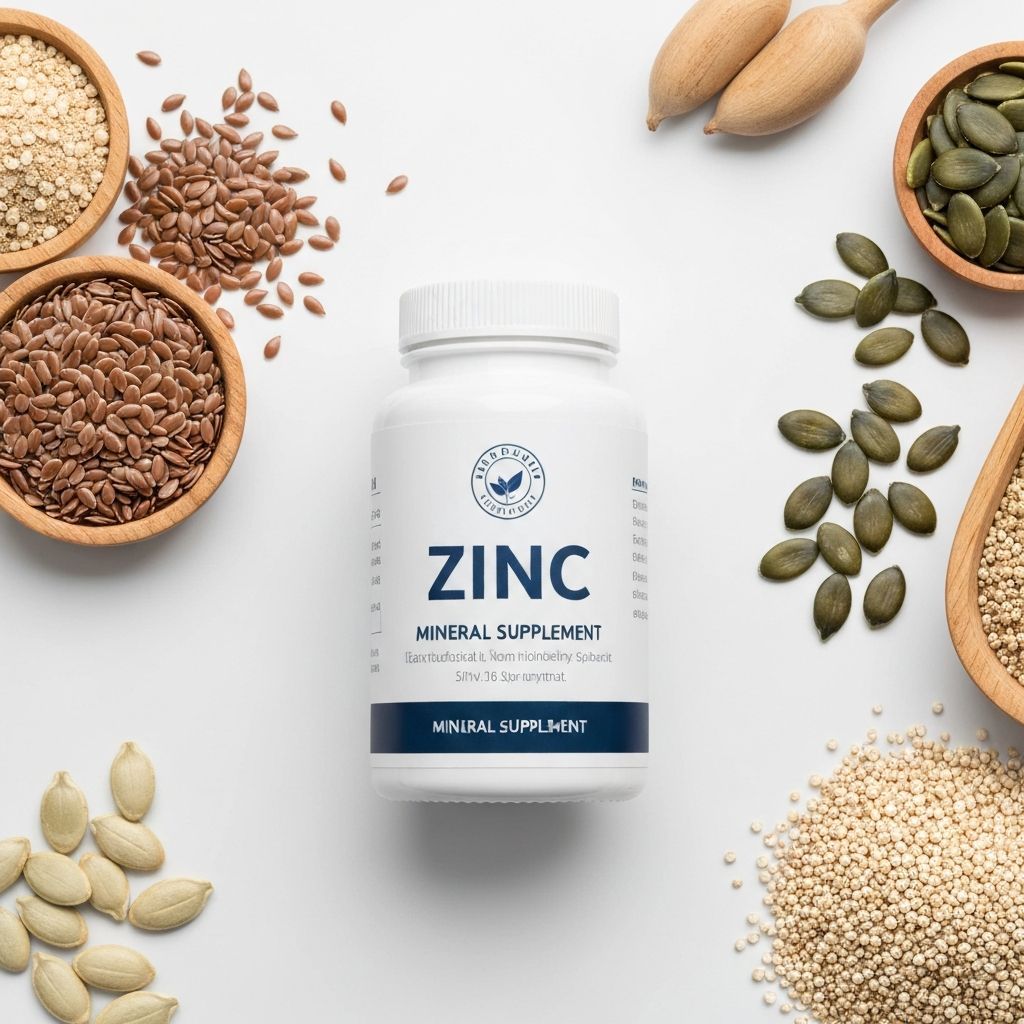
Zinc
Zinc is an essential mineral involved in numerous enzymatic processes, immune function, and protein synthesis. It is found naturally in foods like meat, shellfish, legumes, and seeds.
Zinc supplementation is considered by some individuals to support their overall mineral intake. The body does not store excess zinc, so regular dietary intake is important for maintaining adequate levels.
Learn more
Magnesium
Magnesium is a mineral that participates in over 300 biochemical reactions in the body. It is involved in muscle and nerve function, blood glucose control, and protein synthesis. Natural sources include leafy greens, nuts, seeds, and whole grains.
Various forms of magnesium supplements exist, including magnesium citrate, glycinate, and oxide, each with different absorption characteristics. Some individuals use magnesium supplements as part of their wellness routine.
Learn more
B-Complex Vitamins
B-complex supplements contain the eight B vitamins: B1, B2, B3, B5, B6, B7, B9, and B12. These vitamins are water-soluble and play important roles in energy metabolism, converting food into cellular energy.
B vitamins are found in various foods including whole grains, meat, eggs, and dairy products. Some individuals choose B-complex supplements to support their nutritional intake, particularly if dietary sources are limited.
Learn moreImportant Information About Supplements
The information provided about these natural products is educational in nature. We describe commonly available supplement categories to inform visitors about what exists in the wellness market.
This website does not sell supplements directly. We do not make claims about specific products or brands. Individual nutritional needs vary greatly based on diet, health status, age, and lifestyle factors.
Dietary supplements are intended to supplement the diet and should not be considered substitutes for a varied and balanced diet or healthy lifestyle. If you are considering supplementation, consult with qualified healthcare professionals who can assess your individual circumstances.
The effectiveness and safety of supplements can vary. Quality, purity, and formulation differ among manufacturers. Supplements are not regulated in the same way as pharmaceutical products in many jurisdictions.
Potential interactions may exist between supplements and medications. Some supplements may not be appropriate for individuals with certain health conditions. Professional guidance is important for making informed decisions.